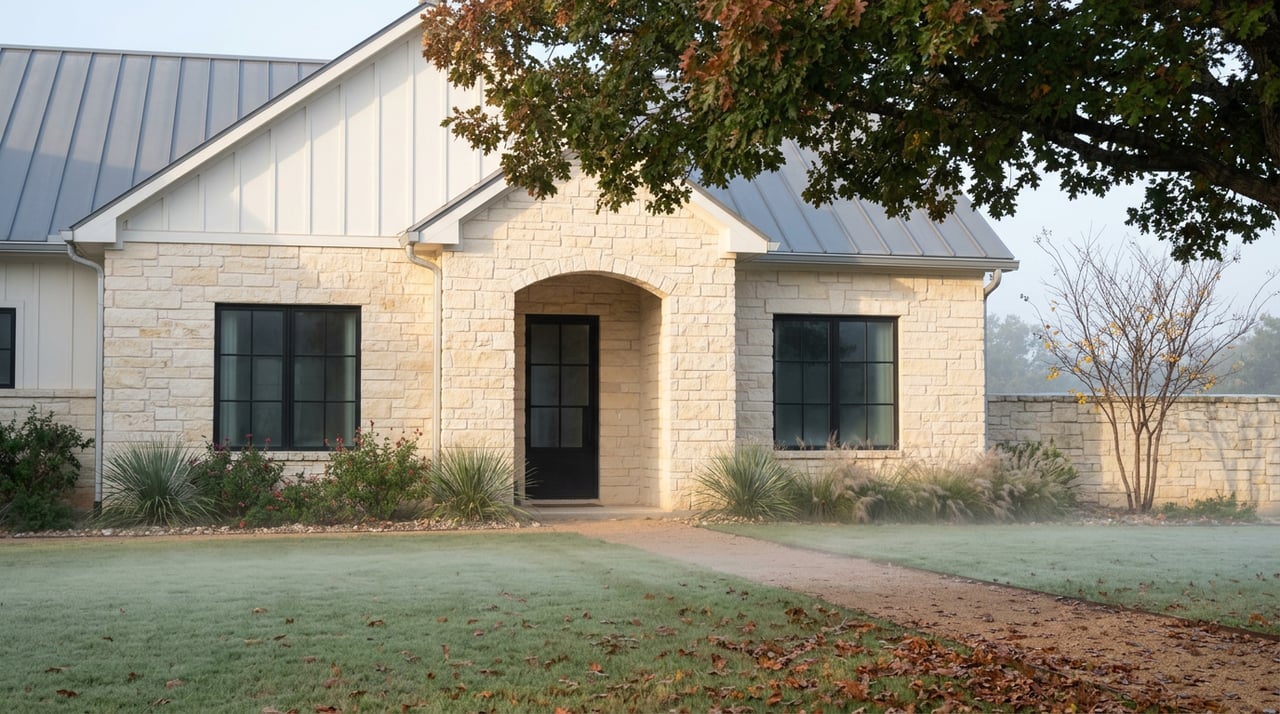
Thinking about trading a small yard for big sky and elbow room? If Escalera Ranch in Williamson County is on your list, you’re looking at a different way of living than a typical subdivision. You get space, privacy, and flexibility, but you also take on new responsibilities and decisions. This guide walks you through what to verify, how to plan your budget, and the questions to ask before you buy. Let’s dive in.
Why Escalera Ranch acreage appeals
Escalera Ranch is known for large lots and a more rural feel near Round Rock. You’ll likely enjoy more privacy, room for outdoor projects, and the freedom to shape your land. Many buyers choose acreage to be close to nature while staying within reach of major employers and daily needs.
Acreage values are driven by land features more than just the house. Lot size, usable topography, presence of a well or city water, existing improvements like barns or fencing, and commute access all influence price. Because there are fewer direct comparables, pricing can feel less straightforward than in a master-planned community.
Demand across Williamson County has grown as the Austin metro expands. Buyers who want more land without a long commute look north toward Round Rock and nearby corridors. Before you focus on any single property, plan to verify school attendance zones for the specific address, property tax history, and recent assessments with the county appraisal district.
Utilities and services to confirm
Acreage utilities vary from parcel to parcel. Two neighboring lots can have very different setups and costs. Always confirm service availability, permit history, and connection details for the exact address.
Water and septic essentials
- Many properties rely on private water wells and on-site sewage facilities (septic systems).
- For wells, confirm documented well yield, storage, and recent water quality testing. Ask for the well log and pump age.
- For septic systems, review permits, capacity, and the last pump-out date. A licensed OSSF inspection is a smart step.
- If municipal water or sewer is available, ask the city or county about tap fees, timelines, and any special requirements.
Power, propane, and heating
- Electric service is provided by regional utilities. Confirm the serving utility, meter location, and any costs to extend lines to your building site.
- Natural gas is not guaranteed on acreage. If it’s not available, buyers often use propane or all-electric systems.
- Get installation estimates for a propane tank and regular delivery if you plan to use gas appliances or backup heat.
Internet and phone options
- Broadband can be patchy in rural pockets. Availability and speeds depend on the micro-location.
- Confirm options like fiber, cable, DSL, or fixed wireless for the specific address by contacting local providers.
- If you work from home, verify service reliability early and build a backup plan.
Roads, access, and easements
- Some properties are accessed by private drives or private roads. Ask who maintains them and whether a road maintenance agreement exists.
- Walk the access after heavy rain to check passability, drainage, and culvert condition.
- Review recorded easements for utilities, access, or pipelines that may affect where you can build or fence.
Rules, permits, and where to check
Most acreage communities have rules that protect neighborhood standards while allowing rural-style living. Read everything and verify what applies to your lot.
POA, covenants, and architectural rules
- Escalera Ranch likely has recorded covenants and an architectural review process.
- Common topics include minimum home size, exterior materials, roof types, outbuildings, fencing, and lighting.
- Animal rules may address horses, livestock, or poultry. Ask for all current POA documents, fee schedules, and enforcement history.
Building, septic, and well permits
- Determine whether the parcel sits inside Round Rock city limits or only under Williamson County jurisdiction.
- Confirm building permit requirements, septic permitting and inspections, and any well permit rules with the appropriate offices.
- Keep records of all approvals, site plans, and inspections for future reference.
Floodplain and site constraints
- Check FEMA mapping and request a floodplain determination if needed.
- Walk the land for drainage patterns, low areas, and erosion signs.
- Confirm setbacks, septic separation distances, and any impervious cover limits before designing improvements.
Everyday costs and maintenance
Acreage living brings new tasks and budget lines. Planning ahead helps you enjoy the lifestyle without surprises.
Land care and mowing
- Expect more mowing and brush control. Some owners hire land managers or use grazing to reduce mowing.
- Tree care and selective clearing support healthy growth and wildfire risk reduction.
- If you prefer low-maintenance landscaping, factor in equipment or contractor costs.
Fencing and gates
- Inspect perimeter and cross fencing. Repairs and replacements are part of annual upkeep.
- Material choices like barbed wire, pipe, or board fence vary in cost and durability.
- Gates, openers, and cattle guards may need periodic service.
Water and septic maintenance
- Schedule routine well water tests and keep service records for the pump and pressure system.
- Plan for periodic septic pump-outs and simple habits that protect the drain field.
- Power outages affect well pumps. Consider backup power if continuity matters.
Wildlife, pests, and livestock
- Central Texas acreage commonly sees deer, coyotes, and feral hogs. Feral hogs can damage land and landscaping.
- Fire ants, ticks, and invasive plants require ongoing management.
- If you plan to keep horses or livestock, budget for fencing, shelters, water troughs, and service providers like veterinarians and farriers.
Fire protection and insurance
- Some properties rely on volunteer or county fire districts. Hydrants may be limited.
- Create defensible space and confirm distance to the nearest fire station.
- Insurance premiums can be influenced by fire protection ratings, build features, and distance to services. Get quotes during your option period.
Due diligence checklist for buyers
Use this list to organize your verification before closing. Ask for documents up front and confirm with local authorities as needed.
- Recorded plat and deed, current boundary survey, and legal description.
- Any recorded easements, covenants, restrictions, or road maintenance agreements.
- POA/HOA documents, including CC&Rs, bylaws, budgets, dues, and any special assessments.
- Property tax history, current assessed value, and whether a homestead or agricultural valuation applies.
- Written utility availability confirmations for water, sewer, electricity, gas, and broadband.
- FEMA flood zone map or a flood determination for the parcel.
- Well report, recent water quality tests, well yield, pump age, and storage details.
- Septic as-built drawing, permit records, capacity, last pump-out date, and a current inspection by a licensed OSSF professional.
- Title report noting mineral reservations, rights-of-way, liens, and any oil and gas lease history.
- Fire district service information and nearest EMS/hospital response details.
Key questions to ask the seller or listing agent
- Are utilities currently connected, and where are the meters and service lines located?
- Is there an existing well? When was it drilled, and do you have the well log and test results?
- Where is the septic tank and drain field, and what is the system’s age and capacity?
- What are the recurring POA dues, and are there any pending special assessments?
- Who maintains private roads or shared drives, and how do they hold up in wet weather?
- Have any mineral rights been severed or leased, and is there any current or past production?
- Have there been recent boundary issues, easement disputes, or lien notices?
- What wildlife or pest issues are common on this property?
Smart budgeting for acreage
Build a cushion for both startup and ongoing costs. Estimates vary by site, but here are common items to plan for:
- Well drilling or pump repair if needed
- Septic replacement, upgrades, or repairs
- Electric service extensions and meter setup
- Driveway grading, culverts, and private road maintenance
- Fencing repairs or new sections
- Land management services for mowing, brush control, or wildlife control
- Propane installation and deliveries, plus electric usage for well and HVAC
- Insurance tailored to rural properties or animals if applicable
Schools, taxes, and future plans
For address-specific school attendance, consult the local district’s boundary map. Verify property tax history and current assessments with the county appraisal district. If you plan to adjust land use, ask about subdivision rules, building setbacks, and septic or impervious cover limits before you commit to designs or contractors.
Texas offers a homestead exemption once you file with the county appraisal district. Some properties may qualify for an agricultural valuation if they meet county requirements. Because rules and rollback taxes can be complex, talk with the appraisal district and a tax advisor before changing land use.
How a local advisor helps in Escalera Ranch
Acreage transactions have more moving parts than a standard subdivision home. You benefit from a step-by-step plan, a strong option period, and trusted local contacts. An experienced local agent helps you line up inspections, confirm utilities and permits, and coordinate with the title company on surveys, easements, and mineral rights disclosures.
With a warm, service-first approach and deep neighborhood knowledge, you get clear communication and realistic timelines. If you want to compare nearby acreage options, confirm commute patterns, or explore improvements like barns or fencing, a local guide can help you weigh tradeoffs and keep the process smooth.
Ready to take the next step in Escalera Ranch? Reach out to a local expert who knows acreage in Williamson County and can walk you through every detail. Connect with Tina Stewart to start your plan, explore available properties, and get answers to your due diligence questions.
FAQs
What utilities are typical for acreage homes in Escalera Ranch?
- Many parcels use private water wells and septic systems, with electric from a regional utility and either natural gas if available or propane for gas needs.
How do I evaluate a septic system before buying an acreage property?
- Request permits and as-built records, verify capacity and age, and hire a licensed OSSF inspector to assess the tank, drain field, and overall condition.
Is reliable high-speed internet available throughout Escalera Ranch?
- Availability varies by micro-location; confirm fiber, cable, DSL, or fixed wireless options and speeds with providers for the specific address.
Can I keep horses or livestock on my Escalera Ranch property?
- Review the community’s covenants and POA rules for animal limits and fencing standards, and verify any local regulations that apply to your parcel.
How do I check flood risk for a specific acreage lot in Williamson County?
- Review FEMA flood maps for the parcel and consider a flood determination letter; also walk the land to observe drainage and low-lying areas.
What taxes or exemptions should I know about for acreage in Williamson County?
- Confirm current assessments with the appraisal district; Texas offers a homestead exemption, and some properties may qualify for agricultural valuation if requirements are met.
What should I budget for maintaining an acreage property?
- Common items include mowing and brush control, fencing repairs, well and septic upkeep, private road maintenance, propane or electric costs, and tailored insurance.
How do easements affect where I can build on an acreage lot?
- Easements can limit building locations or fence lines; review recorded documents and your survey to understand setbacks and utility or access corridors.