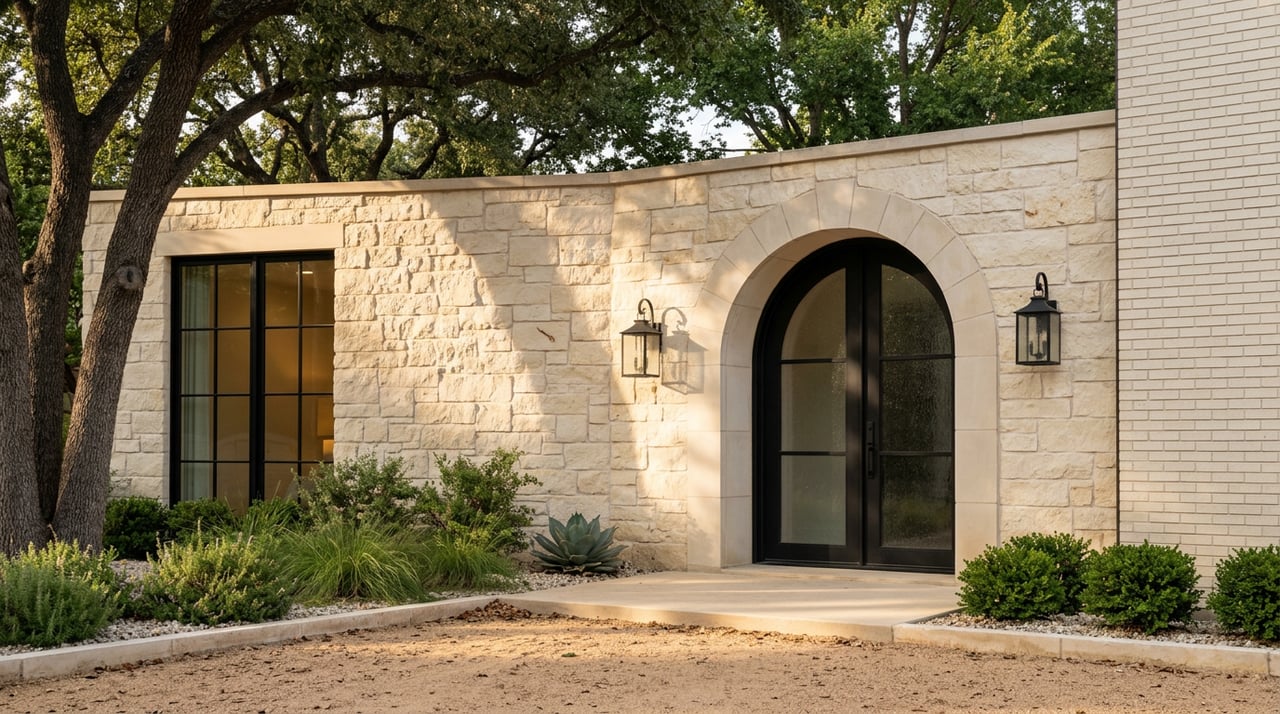
Open any portal and Salado shows up as a mid-500s market. Movoto put the May 2026 median list price at $530,000 at $221 per square foot, with homes sitting 118 days before going under contract. HAR's July 2026 snapshot pegged the average at $676,986 and $255 per square foot. Redfin's February 2026 read went lower still, at a $468,000 median sale on only three transactions.
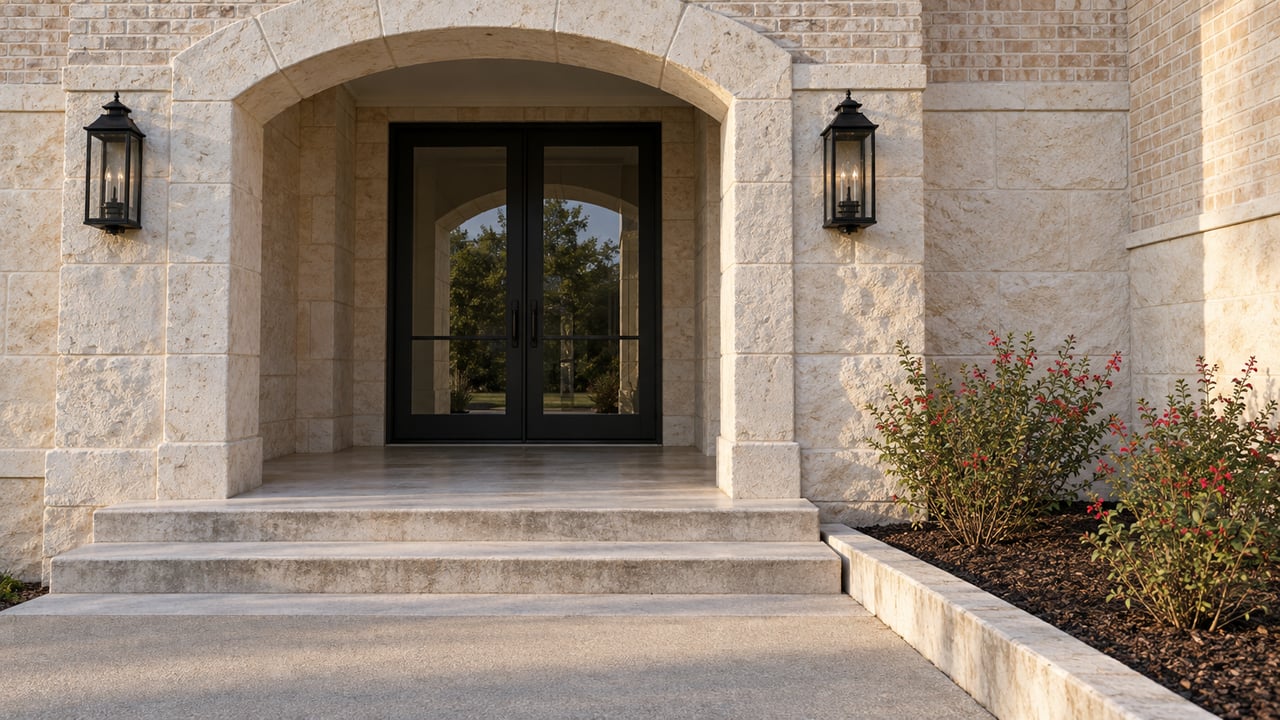
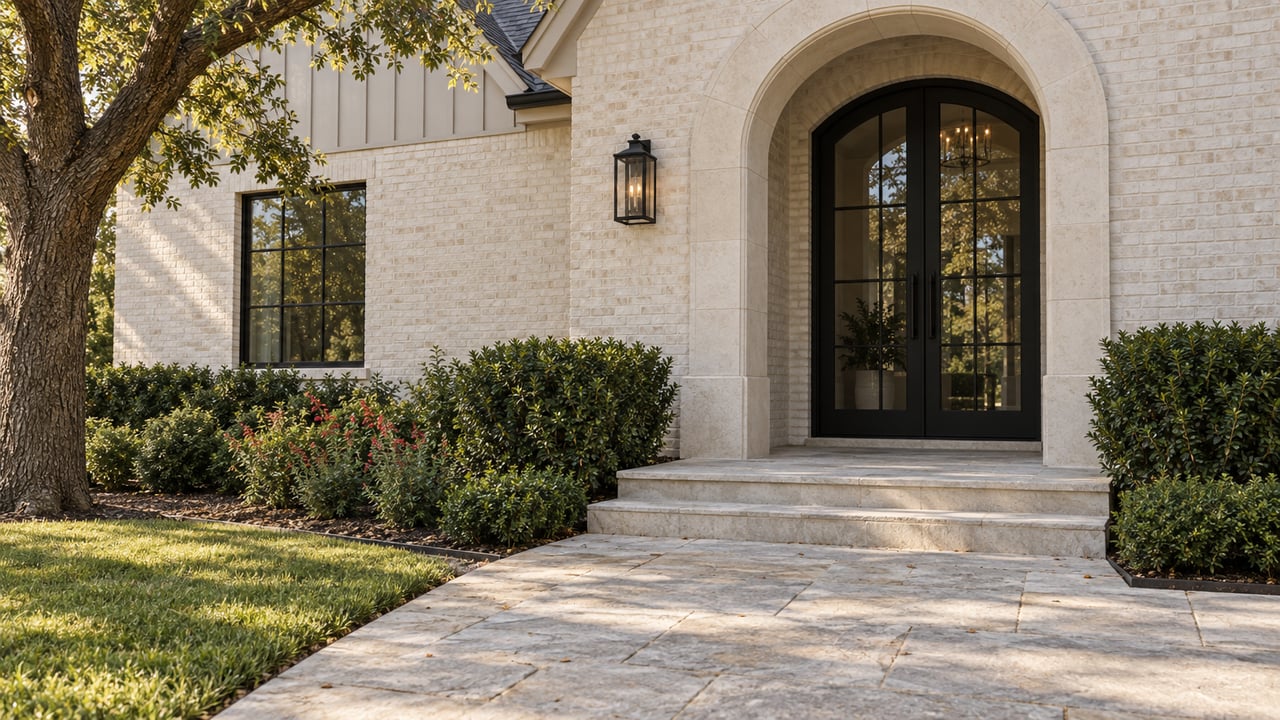
Those numbers describe a real Salado. They do not describe the Salado that most people picture when they drive past the gated stone entry off FM 2484 and start Googling.
Inside The Creeks of Salado, the active Phase I Replat listings average roughly $1,349,950 on 4,224 square feet of built space, more than double Bell County's 2,068-square-foot county-wide average. That is not a rounding error on the village median. It is a different product operating on different mechanics, and the buyers who confuse the two lose money in predictable places.
The thesis in one sentence
Salado is two markets stacked on the same ZIP code, and in a 2026 buyer-leaning environment the friction, the negotiating room, and the appraisal risk all concentrate at the top slice where The Creeks sits.
Anchor your expectations to the $530K village median and you will misprice a Creeks offer by six figures. Anchor to the Creeks list averages and you will convince yourself the broader Salado market is hotter than it is. Both mistakes are common. Both are avoidable once you see what the premium is actually paying for and where it becomes negotiable.
Where the transaction friction lives
Start with the number that changes how you write your offer. Statewide, Texas is sitting on roughly 10 months of supply as of Q1 2026, with a 30-year fixed rate around 6.54% in May 2026 per Bankrate and a statewide median of $341,800, down 1.8% year over year on Redfin's March 2026 read. The Texas Real Estate Research Center's 2026 forecast projects a year-end statewide median near $334,000, a 1.3% gain on 2025. That is a stable, buyer-leaning environment, not a crash, and Salado is tracking it.
Now overlay a subdivision with maybe two active listings at a time, custom builds by different builders on lot sizes running 1.02 to 5.34 acres per the Bell County appraisal records, and a homeowners association that maintains a private entry gate and its own document archive. That is a thinly traded, non-fungible market inside a buyer-leaning county market. Two consequences follow, and they are the specific frictions Creeks buyers and sellers should plan for:
- Appraisal comps are scarce. When only a handful of Creeks homes trade per year, appraisers have to reach into Mill Creek, Spring Creek Estates, and Salado Oaks for comparable sales. Those subdivisions have smaller footprints, no gate, and different lot economics. The comp set drags a Creeks appraisal toward the village mean.
- Days on market compress negotiating power the wrong way. Salado-wide DOM sat at 118 days in May 2026 and 211 days in February per Redfin. Time on market at the top of the market is worse than the headline because the buyer pool is thinner. Sellers who priced against 2022 peaks are the ones sitting.
Lead with those two facts in every Creeks conversation and the rest of the strategy falls into place.
What the Creeks premium is actually buying
The listings in The Creeks of Salado are not more expensive because Salado is more expensive. They are more expensive because the product is different. Once you separate the two, you can price each component.
Component | Broader Salado (median-range home) | The Creeks of Salado (typical active listing) |
|---|---|---|
Typical lot | Roughly a quarter to a half acre | 1.0 to over 2 acres, some up to 5.34 |
Built square footage | Around 2,000 to 2,400 | Averaging 4,224 in Phase I Replat |
Access | Public streets | Gated entry, HOA-maintained |
Build style | Production and semi-custom | Custom, often builder-personal residences |
Utilities | Mixed | Frequently well and septic on larger lots |
That table is the honest answer to "why is this house $1.3M when the median is $530K." You are buying acreage, custom construction, a gate, and, on many lots, private water and wastewater infrastructure. Each line item has its own market and its own risks.
The acreage line is the biggest. A 2.05-acre lot on Running Creek Drive assessed at $906,463 by the Bell County appraisal district is doing most of the work in the price. Take the acreage out and the house behind the gate is not remarkably different from a custom build on a half-acre in Mill Creek or Spring Creek Estates. That is the mechanism behind the premium, and it is also the mechanism that makes the premium negotiable when acreage demand softens.
Where you should push and where you should not
A Salado-wide 30% price-drop rate on active listings, per Orchard's spring 2026 read, does not translate one-to-one into Creeks negotiability. Push in the wrong places and a seller with staying power will simply wait you out. Push in the right places and the current market gives you room most buyers do not realize is there.
Places the 2026 market gives Creeks buyers real leverage:
- Aged listings above $1.2M. With DOM stretching past 100 days village-wide and a thinner luxury buyer pool, any Creeks listing north of the phase average that has sat more than 90 days is a candidate for a serious under-list offer supported by a comp package.
- Appraisal-gap language. In a thin comp market you are the one carrying the appraisal risk. Ask for a shared or capped gap rather than a full waiver.
- Repairs on custom systems. Bigger homes on wells and septic have more expensive inspection items. The 2026 buyer-leaning market means sellers will negotiate on repair credits they would have refused in 2022.
Places the market does not help you:
- The gate and the HOA. Dues, architectural review, and shared road maintenance are not going to be renegotiated at closing. Read the Creeks of Salado HOA documents before you write the offer, not after.
- The land itself. Big lots with mature trees on Rolling Meadow, Running Creek, and the adjacent streets have not softened the way built square footage has. Assume the dirt is priced at market.
The comparison buyers actually need
Most buyers arriving at Creeks are also looking at Mill Creek near the golf club, Spring Creek Estates on the west side of the village, and sometimes Salado Oaks or Drake's Landing for the walk-to-downtown lifestyle. The right frame is not "which neighborhood is best." It is "which line item do you actually want to pay for."
If the acreage matters more than the address, Spring Creek Estates and Salado Oaks give you similar lot sizes without the gated premium. If the custom-home quality matters more than the acreage, a smaller Mill Creek lot near the golf club can deliver comparable finishes at a lower absolute price. The Creeks stacks all three items into one product, which is why the price stacks too.
None of that makes Creeks overpriced. It makes it a bundled purchase that only pencils out for buyers who value all three components. Buyers who only want two of the three consistently do better next door.
What sellers inside The Creeks should read from the same data
If you own in The Creeks and are thinking about listing, the 2026 data cuts a specific way. The statewide picture is stable, not collapsing, so there is no reason to fire-sale. But 10 months of supply and rising DOM mean pricing to 2022 comps is the single most reliable way to sit past 150 days. The sellers who are moving in this market are the ones who price to current appraisal reality, front-load pre-inspection on the well and septic, and give their agent room to negotiate a real gap clause rather than pretending the comp set is deeper than it is.
The village itself continues to support the premium in the ways that matter for a luxury listing. Mill Creek Golf Club, Barrow Brewing Company, Chalk Ridge Falls Park, Stillhouse Hollow Lake, the Village of Salado shops, and Salado ISD are all still doing the work of making the address desirable. Marketing that leans into those specifics performs better than marketing that leans on square footage alone.
FAQ
Is The Creeks of Salado gated? Yes. The subdivision has a controlled entry and a homeowners association that maintains common areas and private road elements. Dues and architectural review rules are documented through the Creeks of Salado HOA.
How does the Creeks price per square foot compare to Salado overall? Salado village-wide ran about $221 per square foot on May 2026 list data and $255 on the July 2026 HAR average. Creeks listings typically price above both, but the more useful comparison is the built-square-footage difference: about 4,224 in Phase I Replat versus a Bell County average of 2,068. You are paying for size and land, not just a higher per-foot rate.
Are Creeks homes on city water and sewer? Many larger lots use private wells and septic systems rather than municipal utilities. Confirm on a property-by-property basis and budget for a well flow test and septic inspection during option period.
Is 2026 a good year to buy in The Creeks? For the right buyer, yes. Statewide inventory is at roughly 10 months, rates are near 6.54%, and DOM is longer than any point since the pandemic. That combination gives disciplined buyers real negotiating room in the exact price band where Creeks sits. It also punishes buyers who anchor to portal medians instead of comping the specific product.
If you are weighing a Creeks purchase or preparing to list inside the gate, the mechanics above are the conversation to have before the offer, not after. Reach out to Tina Stewart and the Stewart Team for a Salado-specific comp package and a walk-through of what your money is really buying at this price point. Let's Connect — Get Your Free Instant Home Valuation.